Today, consumers choose more than just goods and services. Increasingly, purchasing decisions depend on the emotions a company evokes, the values it communicates, and the level of trust it evokes. People value not just a quality product, but a brand they can identify with.
A strong brand helps you stand out from the competition, builds audience trust, and creates a lasting emotional connection with customers. This is why brand development is one of the key tasks of any business.
In this article, we’ll look at what a brand and branding are, what tasks brand promotion solves, and what tools and channels should be used to achieve maximum results.
What is a brand, branding and brand promotion
Brand
A brand is more than just a company name or logo. It encompasses the set of associations, emotions, impressions, and expectations that arise when a person interacts with a product or company.
Essentially, a brand reflects an organization’s values, its character, and the promises it makes to its audience.
For example:
- Apple is associated with innovation and premium quality;
- Nike — with achievements, energy and sports;
- Coca-Cola — happy holidays, joy and positive emotions.
Brands aren’t just products and companies. Cities, historical figures, social movements, and even specific ideas can also become brands.
Branding
Branding is a set of activities to create, develop and maintain a brand.
It includes:
- formation of positioning;
- development of a visual image;
- creation of a communication strategy;
- managing brand perception among target audiences.
Well-designed branding helps a company establish a unique position in the market and increase customer loyalty.
Brand promotion
Brand promotion is a set of actions aimed at increasing a company’s recognition, strengthening its reputation, and generating sustainable demand for its products or services.
For this purpose, both digital and traditional communication channels are used.

What tasks does brand promotion solve
The primary goal of any brand strategy is to create a positive image of the company in the eyes of the audience and improve commercial results. However, the list of goals is much broader.
- Increased demand for products. Effective promotion helps draw attention to a company’s products and services, increasing the interest of potential buyers.
- Strengthening market position. Promotion allows a brand to establish itself in the minds of consumers and differentiate itself from competitors.
- Increased market share. A strong brand can attract competitors’ customers and expand its presence in the niche.
- Increased brand awareness. The more frequently the audience encounters a brand, the more easily they recall it when choosing a product or service.
- Attracting new clients. Well-designed advertising and marketing activities help regularly expand your client base.
- Shaping a company’s image. Promotion influences how a brand is perceived by customers, partners, and the public.
- Increased employee engagement. Well-known companies with a strong brand typically have higher employee motivation.
- Developing partnerships. A good reputation helps strengthen relationships with investors, suppliers, and business partners.
- Increased customer loyalty. Continuous engagement with your audience helps strengthen their emotional attachment to the brand.
Main types of brand promotion
- Informational promotion. Used to introduce a new product, service, or company to the public. Most often used during brand launches or entering a new market.
- Persuasive promotion. The main goal is to highlight the brand’s advantages and create preference among competitors.
- Reminder promotion. Helps maintain high brand awareness and regular engagement with your audience.
- Reinforcement promotion. Targeted at existing customers and aimed at strengthening brand trust after purchase.
- Image promotion. It influences the company’s perception and creates specific associations. This is especially relevant for premium products and services.
What needs to be done before promoting a brand
The preparatory stage plays no less a role than the promotion itself.
First of all, it is necessary to conduct an analysis:
- market;
- competitors;
- target audience;
- current industry trends.
This will allow you to understand the strengths and weaknesses of your competitors, as well as determine the competitive advantages of your own product.
The next step is to formulate a positioning strategy. It’s important to clearly define the place the brand should occupy in the consumer’s mind.
After this, the brand concept is developed — its idea, values and unique promise to the client.
Based on the concept, a brand platform is created, which includes:
- mission;
- values;
- tone of voice;
- key communication messages.
Then a brand development strategy is formed and a corporate identity is developed:
- logo;
- color palette;
- typography;
- graphic elements;
- visual standards.

How to create an online brand promotion strategy
Strategy development begins with market and audience research.
Main stages:
- Niche and competitor analysis.
- Setting promotion goals.
- Creating a detailed portrait of the target audience.
- Budget planning.
- Selection of primary and secondary communication channels.
- Development of content strategy.
- Preparation of advertising activities.
- Definition of key performance indicators.
Having a strategy allows you to avoid chaotic actions and achieve predictable results.
Online brand promotion channels
- Corporate website. A website is a brand’s central online platform. It’s where users learn about the company, explore its offerings, and decide whether to partner with it.
- Social media. Social media allows you to build direct communication with your audience, increase engagement, and promote your brand through content and advertising.
- Mapping services. Google Maps, Yandex Maps, and 2GIS help users find businesses and increase trust in local businesses.
- Review sites. Reviews directly impact a brand’s reputation and the decisions of potential customers.
- Marketplaces. For online stores, presence on marketplaces is becoming an important element of promotion and increased visibility.
- Media and industry resources. Media publications help increase reach, enhance expertise, and strengthen brand reputation.
- Professional ratings and awards. Participation in industry competitions strengthens trust with clients and partners, especially in the B2B segment.
Brand promotion tools
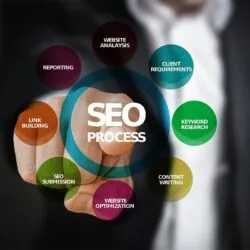
- SEO promotion. Search engine optimization helps increase website visibility in Google and Yandex, attract targeted traffic, and promote brand awareness.
- Contextual advertising. Allows you to quickly attract interested users through search engines and advertising networks.
- Targeted advertising. Ensures precise engagement with the right audience based on their interests and behavior.
- Teaser advertising. Used to attract attention and increase brand reach.
- Content marketing. Creating useful content helps strengthen a company’s expertise and build audience trust.
- PR tools. Media publications, interviews, and expert commentary increase awareness and build a positive image.
- Reputation management (SERM). Managing reviews and brand mentions helps maintain a high level of customer trust.
How to evaluate the effectiveness of brand promotion
Overall business and marketing metrics are used to evaluate results.
General indicators
- ROBI (return on brand investment);
- the share of marketing expenses in revenue;
- cost of contact;
- number of brand queries;
- level of recognition;
- brand memorability.
Marketing metrics
- CPC;
- CTR;
- CPA;
- audience reach;
- involvement;
- time on site;
- number of transitions and conversions.
Regular analysis of these indicators helps adjust your strategy and improve promotional effectiveness.
Brand promotion is a long-term effort aimed at increasing company recognition, building audience trust, and increasing sales.
To achieve results, you need to study the market, define goals, select appropriate communication channels, and use effective promotion tools.
A strong brand becomes one of a business’s most important assets, helping to attract customers, increase profits, and maintain competitiveness for many years.